
What is the typical process for finalizing a basic will for one person? – South Carolina
Short Answer
In South Carolina, finalizing a basic will usually means (1) drafting a written will, (2) signing it correctly, and (3) having at least two witnesses sign as required by state law. Many people also add a “self-proving” affidavit signed in front of a notary to make probate smoother later. After signing, the most important practical step is safe storage of the original will so it can be filed with the Probate Court when needed.
Understanding the Problem
In South Carolina estate planning, the question is not “what should be in a will,” but “what steps typically finalize a basic will so it is treated as valid later.” The key decision point is whether the will is properly executed (signed and witnessed) so it can be accepted by the South Carolina Probate Court after death. A common example is a single adult who wants a straightforward plan naming beneficiaries and a personal representative and wants to know what happens at the signing appointment and what comes next.
Apply the Law
South Carolina requires a will to be in writing, signed by the person making the will (the “testator”), and signed by at least two witnesses who observed the signing (or the testator’s acknowledgment of the signature or the will). A will can also be made “self-proved,” which usually reduces the need to track down witnesses later during probate. The will is not filed with the court when it is signed; it is typically filed with the Probate Court after death as part of the probate process.
Key Requirements
- Written document: A basic will must be in writing (not just verbal instructions).
- Proper signing: The testator must sign (or direct someone else to sign in the testator’s presence).
- Two witnesses: At least two people must sign as witnesses after witnessing the signing or the testator’s acknowledgment.
What the Statutes Say
- S.C. Code Ann. § 62-2-502 (Execution) – Requires a written will signed by the testator (or by direction) and signed by at least two witnesses.
- S.C. Code Ann. § 62-2-503 (Attestation and self-proving) – Allows a will to be made “self-proved” through a notarized acknowledgment/affidavit process.
- S.C. Code Ann. § 62-3-303 (Informal probate; proof) – Explains what the Probate Court looks for when a will is offered for informal probate, including signatures and an attestation clause.
- S.C. Code Ann. § 62-3-406 (Testimony of attesting witnesses) – Addresses when witness testimony may be required and how self-proving and notarized wills can create presumptions of proper execution.
Analysis
Apply the Rule to the Facts: The scenario involves a basic will for one person, so the practical focus is on execution formalities: a written document, the testator’s signature, and two witness signatures. If the will is also made self-proving in the same signing session, it can reduce later probate friction because the will carries a built-in sworn statement about how it was signed. If the will is signed without careful attention to witnesses, the estate may later need extra proof to establish proper execution.
Process & Timing
- Who prepares and reviews: The person making the will (often with an estate planning attorney). Where: Typically an attorney’s office or another controlled setting in South Carolina. What: A written will, usually with an attestation clause; often a self-proving affidavit page if the will will be made self-proved. When: After the will is finalized in draft form and the signing is scheduled with witnesses (and a notary if using self-proving).
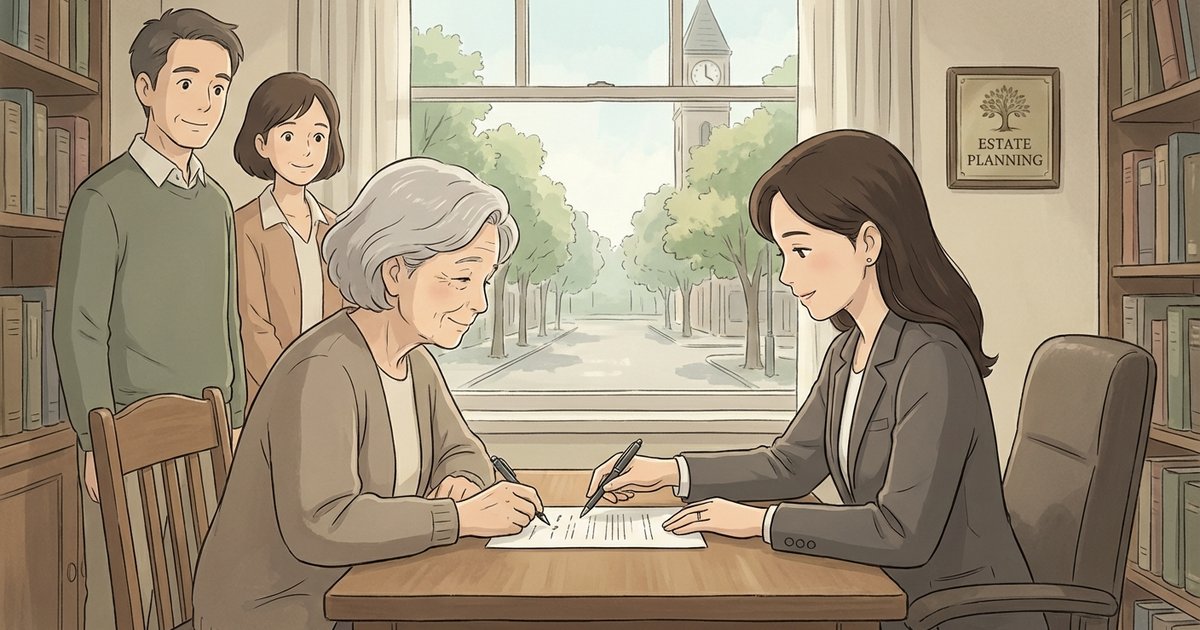
- Signing ceremony: The will is assembled as one complete document, then the testator signs, and the two witnesses sign in compliance with South Carolina’s execution rules. Many offices also have the testator and witnesses initial pages to reduce later disputes about missing or swapped pages, and they keep notes about the signing in case questions arise years later.
- Self-proving step (common but optional): If the will is being made self-proved, the testator and at least one witness sign the self-proving affidavit in front of a notary, and the notary completes the certificate and seal. This step is often done immediately after the will is witnessed so everything is completed in one appointment.
- Safekeeping and updates: The original signed will is stored securely (because probate usually requires the original). The testator should also plan for updates after major life changes (marriage, divorce, new child, death of a beneficiary, major asset changes) and should avoid informal “handwritten edits” on the signed original.
Exceptions & Pitfalls
- Witness problems: Using the wrong witnesses can create avoidable disputes. A common best practice is to use “disinterested” witnesses (people who are not receiving gifts under the will) to reduce challenges and complications.
- Page substitution concerns: Loose pages, missing staples, or inconsistent page formatting can invite claims that pages were swapped. Many attorneys use a consistent assembly process and have the testator and witnesses initial pages to reduce that risk.
- Not self-proving: A will can be valid without being self-proved, but lack of self-proof can increase the chance that someone later must locate a witness or provide other evidence of proper execution.
- Multiple signed originals: Signing multiple “originals” can create confusion later about which one controls and whether a later destruction was intended as a revocation. Many practitioners prefer signing only one original and storing it safely.
- Storage mistakes: If the original cannot be found after death, the estate may face extra steps and potential disputes. Safe storage and clear instructions about where the original is kept are part of “finalizing” in the real world.
For a deeper discussion of self-proving wills, see How to Make a Will Self-Proving in South Carolina. For execution basics, see What Are the Formal Requirements for a Valid Will in South Carolina?.
Conclusion
In South Carolina, finalizing a basic will for one person typically means preparing a written will and completing a proper signing with at least two witnesses under S.C. Code Ann. § 62-2-502. Many people also sign a self-proving affidavit in front of a notary under S.C. Code Ann. § 62-2-503 to reduce later proof issues in probate. The most important next step is to store the original signed will securely so it can be filed with the South Carolina Probate Court when needed.
Talk to a Estate Planning Attorney
If finalizing a will involves coordinating witnesses, deciding whether to make the will self-proving, and avoiding execution mistakes that can cause probate delays, an estate planning attorney can help clarify the steps, prepare the signing package, and make sure the will is executed and stored in a way that holds up later.
Disclaimer: This article provides general information about South Carolina law based on the single question stated above. It is not legal advice for your specific situation and does not create an attorney-client relationship. Laws, procedures, and local practice can change and may vary by county. If you have a deadline, act promptly and speak with a licensed South Carolina attorney.

