
What documents should I gather from the closing and inspection to find out whether I have a case? – South Carolina
Short Answer
In South Carolina, the most important documents usually come from the sale file, the inspection file, and the closing file. A buyer looking into hidden defect claims should gather the residential property condition disclosure statement, the purchase contract and addenda, inspection reports, repair invoices or receipts, emails and texts about the property’s condition, and the full closing package. Those records often show what was disclosed, what was promised, what was inspected, and whether anyone corrected or failed to correct material information before closing.
Understanding the Problem
The issue is whether a South Carolina home buyer can identify enough proof from the closing and inspection records to evaluate a possible claim over major defects discovered after closing. In a real estate dispute like this, the key question is usually not just whether the house has serious problems, but whether the sale documents and inspection records show a false disclosure, a missed correction, a broken contract promise, or warning signs that were documented before the closing.
Apply the Law
South Carolina law requires a written residential property condition disclosure statement in most sales of one-to-four unit residential property. That disclosure focuses on the seller’s actual knowledge and covers structural components, mechanical systems, water and sewer issues, infestation, environmental conditions, land-use restrictions, and similar conditions. If a seller later learns the disclosure has become materially inaccurate, the seller must promptly correct it before closing or make reasonable repairs before closing. At the same time, South Carolina law also says the buyer still has an obligation to inspect the property, so the records from both sides matter. Claims are often evaluated in the county Court of Common Pleas, and timing matters because delay can make proof harder to preserve even when the exact deadline depends on the legal theory.
Key Requirements
- Disclosure record: Gather the seller’s residential property condition disclosure statement and any corrected version to compare what was said about structure, systems, water intrusion, pests, repairs, and code-related issues.
- Inspection record: Gather every inspection report, follow-up report, invoice, photo set, and written recommendation to show what defects were found, what was limited, and what may have been missed.
- Closing record: Gather the signed contract, addenda, repair agreements, credits, walkthrough notes, and closing package to show what obligations survived through closing and what information each side had before the deed transferred.
What the Statutes Say
- S.C. Code Ann. § 27-50-40 (Residential property disclosure statement) – requires a written disclosure statement in most covered residential sales and lists the property conditions it must address.
- S.C. Code Ann. § 27-50-50 (Delivery of disclosure statement) – says the disclosure should be delivered before the contract is signed or as otherwise agreed, and failure to provide it does not by itself void the sale.
- S.C. Code Ann. § 27-50-60 (Corrected disclosures before closing) – requires prompt correction if the seller discovers a material inaccuracy before closing.
- S.C. Code Ann. § 27-50-65 (Liability for knowing false, incomplete, or misleading disclosure) – allows actual damages and court costs when a seller knowingly gives false, incomplete, or misleading material information, and the court may award reasonable attorney fees to the prevailing party.
- S.C. Code Ann. § 27-50-80 (Purchaser’s obligation to inspect) – makes clear that the buyer still has a duty to inspect the property’s physical condition.
Analysis
Apply the Rule to the Facts: Here, the buyer had only a very limited walkthrough before closing, and major defects surfaced during renovations after a contractor opened up the property. That makes the document trail critical. If the disclosure statement denied knowledge of structural or system problems, the inspection report noted concerns that were not followed up, or the contract included repair promises that were not completed, those records may help show whether the post-closing defects were merely unknown conditions or whether someone failed to disclose or correct material information before closing.
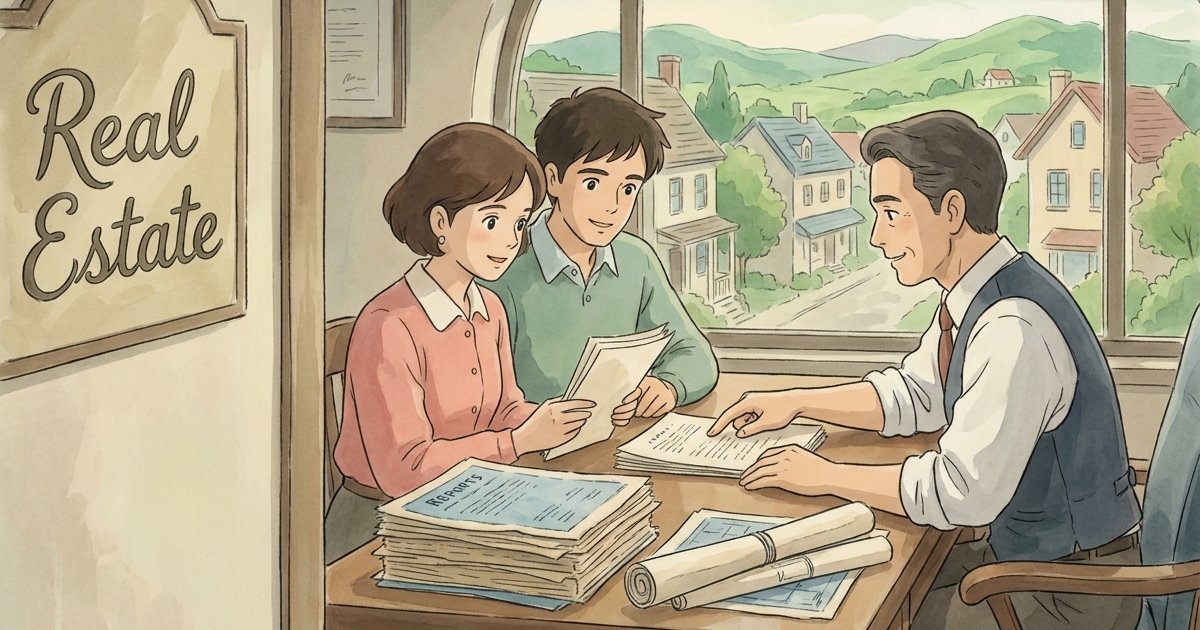
The first documents to request are the full purchase contract, every addendum, the seller disclosure form, any amended disclosure, the inspection report, any specialty inspection reports, repair requests, repair receipts, and the final walkthrough record if one exists. The next set should include emails, text messages, agent communications, contractor estimates created before closing, invoices for work done before sale, permit records if available, and the closing package from the closing attorney. In many cases, the strongest proof comes from comparing what the seller disclosed, what the inspector observed, what the buyer accepted, and what the contractor later uncovered behind walls, floors, or other finished surfaces.
If the inspection was limited in scope, that limitation matters too. A report that clearly excluded invasive review, concealed areas, or specialty systems may weaken any argument that the defect should have been found in a standard inspection, but it may also sharpen the focus on whether the seller knew more than the paperwork revealed. A buyer in this position may also want to review related guidance on undisclosed or downplayed defects in South Carolina and on undisclosed structural damage in a South Carolina home sale.
Process & Timing
- Who files: the buyer or the buyer’s attorney. Where: usually the South Carolina Court of Common Pleas in the county where the defendant lives or where the property dispute is tied. What: the key first step is usually not a court form from the closing file, but collecting the signed contract, disclosure statement, inspection reports, repair records, photographs, and the closing package from the closing attorney. When: as soon as major defects are discovered, because delay can lead to lost records, changed conditions, and harder proof.
- Next step with realistic timeframes; note county variation if applicable.
- Final step and expected outcome/document.
Exceptions & Pitfalls
- Some residential transfers are exempt from the disclosure statute, so the absence of a disclosure form does not always mean a legal violation.
- A limited inspection or an inspection contingency waiver can affect the analysis, especially if the report warned that further review by a contractor or engineer was needed.
- Common mistakes include throwing away renovation debris before documenting the defect, relying only on oral statements, failing to request the complete closing file, and overlooking texts or emails that may show notice, repairs, or changed disclosures.
Conclusion
In South Carolina, the best way to find out whether there may be a case after hidden defects appear is to compare the seller’s disclosure, any corrected disclosure, the inspection records, the contract and addenda, and the full closing package. The key threshold is whether those documents show a material condition was known, misstated, left incomplete, or not corrected before closing. The next step is to gather the complete closing and inspection file immediately and review it for disclosure gaps and repair promises.
Talk to a Real Estate Attorney
If a home purchase in South Carolina has led to major unexpected defects after a limited walkthrough and closing, our firm has experienced attorneys who can help evaluate the sale documents, inspection records, and disclosure issues so the available options and timelines are clear.
Disclaimer: This article provides general information about South Carolina law based on the single question stated above. It is not legal advice for your specific situation and does not create an attorney-client relationship. Laws, procedures, and local practice can change and may vary by county. If you have a deadline, act promptly and speak with a licensed South Carolina attorney.

