
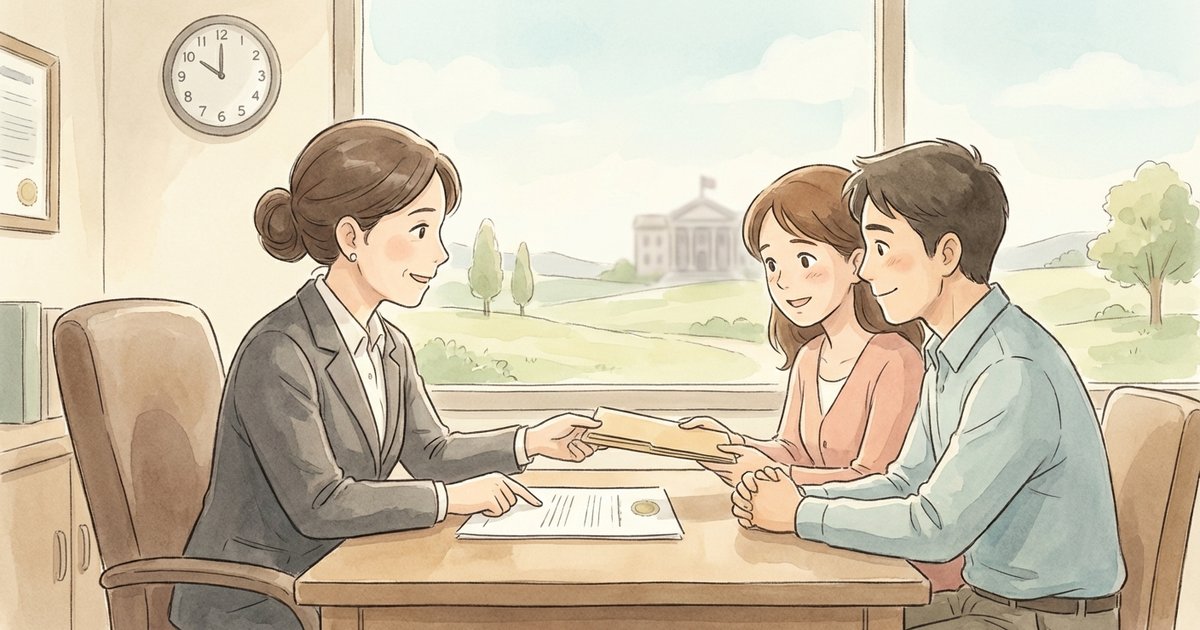
How do I schedule an appointment or hearing with the clerk to request copies or open the estate? – South Carolina
Short Answer
In South Carolina, most routine probate tasks—getting copies from an existing file and starting (opening) an estate—are handled through the county Probate Court during normal business hours, often without a formal “hearing” date. A hearing is usually needed only if the matter is contested or requires a judge’s decision. The practical first step is to contact the Probate Court for the county where the estate is filed (or should be filed) and ask what their local process is for (1) copy requests tied to the file number and (2) scheduling an intake/filing appointment to open the estate.
Understanding the Problem
In South Carolina probate, the key decision is whether the request is routine clerk/court administration (getting copies from a probate file or submitting the opening paperwork) or whether the Probate Court must set a hearing because a judge needs to decide something. When an estate representative already has a probate file number and wants copies, the issue is typically how to request certified or non-certified copies from the Probate Court. When no appointment to open the estate has been requested yet, the issue is typically how to start the estate in the correct county Probate Court and whether the court requires an appointment for filing and qualification.
Apply the Law
South Carolina Probate Courts are county courts within the state’s unified judicial system and are generally open for business at reasonable hours. The court can also schedule special hearing times when a matter needs to be heard, and the court must provide notice of those hearing times to interested parties when notice is required. In many estates, opening the estate is an administrative filing process (application/petition, oath/qualification, and issuance of authority documents), while hearings are more common when there is a dispute, an objection, or another issue that requires a judge’s ruling.
Key Requirements
- Correct county Probate Court: The request for copies goes to the Probate Court that holds the file. Opening an estate is also done in the appropriate county Probate Court (local filing rules vary by county).
- Right type of request (copies vs. opening): Copy requests are usually handled by the clerk’s office; opening an estate is usually handled by filing an application/petition and supporting documents. A hearing is typically reserved for matters that require a judge to decide something.
- Fees and certified copies: Probate Courts charge fees for filings and for certified copies. If a bank, title company, or other institution requires a certified copy, the request should specify that.
What the Statutes Say
- S.C. Code Ann. § 14-23-1010 (Probate Court open for business) – Establishes a probate court in each county and provides it must be open for business at reasonable hours.
- S.C. Code Ann. § 14-23-220 (Court open at all times for ordinary business) – Provides the Probate Court is deemed open for ordinary business when prior notice is not required.
- S.C. Code Ann. § 14-23-210 (Setting hearing times; notice) – Allows the Probate Court to set times/places for hearings and requires notice to interested parties when applicable.
- S.C. Code Ann. § 8-21-770 (Probate Court fees; certified copies) – Sets a fee schedule for estate filings and lists fees for certified and exemplified/authenticated copies.
Analysis
Apply the Rule to the Facts: Because a probate file number already exists, the Probate Court clerk’s office can usually locate the file and explain the county’s process for requesting copies (including whether certified copies are needed and what fees apply). Since no appointment or hearing to open the estate has been requested yet, the next step is typically to confirm whether the estate is already open in a limited way (for example, a will may have been filed) versus whether the court needs an opening filing and qualification of a personal representative. The fact that portal/legacy records show no creditor claims does not, by itself, determine whether a hearing is needed; hearings are more often driven by disputes or issues requiring a judge’s decision.
Process & Timing
- Who files: The proposed personal representative (estate representative) or counsel. Where: The Probate Court for the county tied to the file number (for copies) and the proper county Probate Court for opening/qualification. What: A written copy request (often accepted by email, mail, or in-person depending on the county) and, to open the estate, the county’s required opening packet (commonly an application/petition to open the estate, an oath/qualification, and supporting documents such as the death certificate and the original will if there is one). When: During the Probate Court’s business hours; if the county uses appointments for intake, the court will provide the next available slot.
- Clerk review and corrections: The clerk typically reviews the submission for completeness and may require corrections, additional information, or additional documents before issuing authority documents. Timing varies by county workload and whether the filing is complete the first time.
- Issuance of authority documents or hearing setting: If the matter is routine and uncontested, the court often issues the personal representative’s authority documents without setting a hearing. If a judge must decide an issue (for example, competing requests to serve, objections, or other contested matters), the court will set a hearing date and provide required notice.
Exceptions & Pitfalls
- Assuming a hearing is required: Many estates do not need a hearing to open; requesting a “hearing” when the county uses an administrative intake process can slow things down.
- Requesting the wrong type of copy: Some third parties require a certified or exemplified/authenticated copy rather than a plain copy. Asking the recipient what they require can prevent repeat requests and extra fees.
- County-by-county procedure differences: Some Probate Courts accept email requests for copies; others require written forms, in-person requests, or appointments. Procedures can change, so confirming the current local process with the clerk’s office matters.
Conclusion
In South Carolina, scheduling depends on whether the request is routine Probate Court business (copy requests and many estate-opening filings) or a matter that requires a judge and a hearing date. With a probate file number already available, the next step is to contact the Probate Court for that county and request the needed copies (specifying whether certified copies are required) and ask for the county’s current process to file the opening/qualification paperwork. If the county requires an intake appointment, schedule that appointment with the Probate Court clerk as soon as possible.
Talk to a Probate Attorney
If an estate needs to be opened and the Probate Court’s scheduling and filing requirements are unclear, a probate attorney can help confirm the correct county, prepare the opening packet, and coordinate with the clerk’s office so the filing is accepted without avoidable delays.
Disclaimer: This article provides general information about South Carolina law based on the single question stated above. It is not legal advice for your specific situation and does not create an attorney-client relationship. Laws, procedures, and local practice can change and may vary by county. If you have a deadline, act promptly and speak with a licensed South Carolina attorney.

