
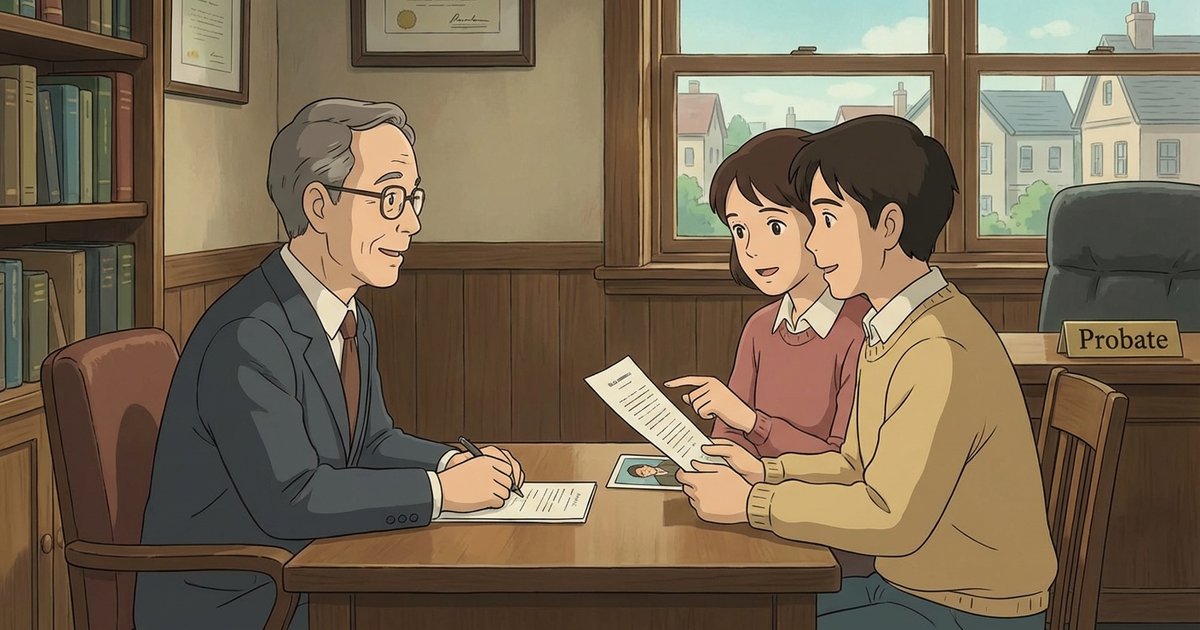
How can I recover the original will or probate a copy if the original is lost?: Practical steps in North Carolina – South Carolina
Short Answer
In South Carolina, the Probate Court generally expects the original will for an informal probate. If the original cannot be found, the usual path is a formal testacy proceeding where the petitioner explains that the will is lost or unavailable and proves the will’s contents and that it was not revoked. Practical first steps include a focused search for the original, requesting copies from likely custodians, and gathering witness and execution information to support a formal filing if needed.
Understanding the Problem
In South Carolina probate, the decision point is whether the original signed will can be located and delivered to the Probate Court, or whether the estate must move forward without it. The key issue is not just finding a photocopy; it is whether the Probate Court can treat a copy as the decedent’s valid last will when the original is missing. The process typically turns on what evidence exists about the will’s execution, what the will said, and why the original is unavailable.
Apply the Law
South Carolina Probate Court can admit a will to probate through informal or formal procedures. Informal probate generally requires that an original, duly executed, apparently unrevoked will be in the court’s possession. When the original will is not available, South Carolina law allows a formal petition that explains the will is lost, destroyed, or otherwise unavailable and states the will’s contents, followed by notice and (if needed) a hearing where the court decides testacy.
Key Requirements
- Show why the original is unavailable: The filing should clearly state that the original will is lost, destroyed, or otherwise unavailable and explain the circumstances and search efforts.
- Prove the will’s contents and execution: The Probate Court typically needs reliable evidence of what the will said and that it was properly signed and witnessed (or self-proved).
- Address revocation concerns: When an original will cannot be found, a common dispute is whether the decedent revoked it; the evidence presented should support that the will remained valid and unrevoked.
What the Statutes Say
- S.C. Code Ann. § 62-3-303 (Informal probate; proof and findings required) – Informal probate generally requires an original, duly executed, apparently unrevoked will in the court’s possession.
- S.C. Code Ann. § 62-3-402 (Formal testacy proceedings; petition; contents) – If the original will is not available, a formal petition must state the will’s contents and indicate it is lost, destroyed, or otherwise unavailable.
- S.C. Code Ann. § 62-3-409 (Order) – In a formal testacy case, the court determines testacy and formally probates any will found valid and unrevoked.
- S.C. Code Ann. § 62-2-502 (Execution) – Sets the basic signing and witness requirements for a valid will.
- S.C. Code Ann. § 62-2-503 (Attestation and self-proving) – Explains how a will can be made self-proved, which can simplify proof in probate.
Analysis
Apply the Rule to the Facts: If the original will cannot be located after a reasonable search, South Carolina probate usually cannot proceed by informal probate based only on a copy. A formal testacy petition can be used to present the copy and other evidence showing what the will said, that it was properly executed, and that it was not revoked. If the available evidence is thin (for example, no copy, no witness information, and no clear explanation for the missing original), the risk of an intestacy result increases.
Process & Timing
- Who files: An interested person (often the nominated personal representative, spouse, child, or other beneficiary/heir). Where: The South Carolina Probate Court in the county where venue is proper (commonly the decedent’s county of domicile). What: If the original will is missing, file a petition for formal probate (formal testacy) that states the will’s contents and explains it is lost/destroyed/unavailable, and attach the best available copy and supporting affidavits. When: File as soon as practical once it becomes clear the original cannot be located, especially if assets need management or deadlines are approaching.
- Build the proof package: Gather (a) the best copy available (scan, photocopy, or draft), (b) contact information for attesting witnesses and the notary (if any), (c) evidence of where the original was kept and who had access, and (d) written statements describing the search and the circumstances of loss.
- Notice and court decision: In a formal testacy proceeding, the court requires notice and may hold a hearing. If the court is satisfied the will was validly executed and unrevoked and the contents are proven, it can enter an order admitting the will and proceed with appointment of a personal representative.
Exceptions & Pitfalls
- Copy alone is often not enough: A photocopy may help prove contents, but the Probate Court typically still needs credible evidence about execution and why the original is missing.
- Witness availability can matter: If the will is not self-proved, locating at least one witness (or using other reliable evidence) can be important to establish proper execution in a contested setting. See S.C. Code Ann. § 62-3-406.
- Revocation disputes: A common challenge is the argument that the decedent destroyed the original to revoke it. Clear evidence about custody, access, and circumstances of loss helps address this risk.
- Multiple versions: If there are drafts, prior wills, or codicils, the court may require extra clarity about which document is the “last will.” Mixing versions can create avoidable litigation risk.
- Delay in getting appointed: Without an original will, banks and others may not cooperate until the Probate Court appoints a personal representative. A well-supported formal filing can reduce delays.
Conclusion
In South Carolina, informal probate usually requires the original will, so a missing original often means filing a formal testacy petition that states the will’s contents and explains why the original is unavailable. The Probate Court can admit a will found valid and unrevoked after notice and, if needed, a hearing. The most practical next step is to file a formal probate petition with the county Probate Court and attach the best available copy plus affidavits documenting the search and execution details.
Talk to a Probate Attorney
If a will cannot be found and a copy may need to be probated, a probate attorney can help organize the search, identify the right evidence to prove contents and execution, and prepare the formal filings and notice required in South Carolina Probate Court.
Disclaimer: This article provides general information about South Carolina law based on the single question stated above. It is not legal advice for your specific situation and does not create an attorney-client relationship. Laws, procedures, and local practice can change and may vary by county. If you have a deadline, act promptly and speak with a licensed South Carolina attorney.

