
How can I prove my executor authority to a bank and close the decedent’s accounts? – South Carolina
Short Answer
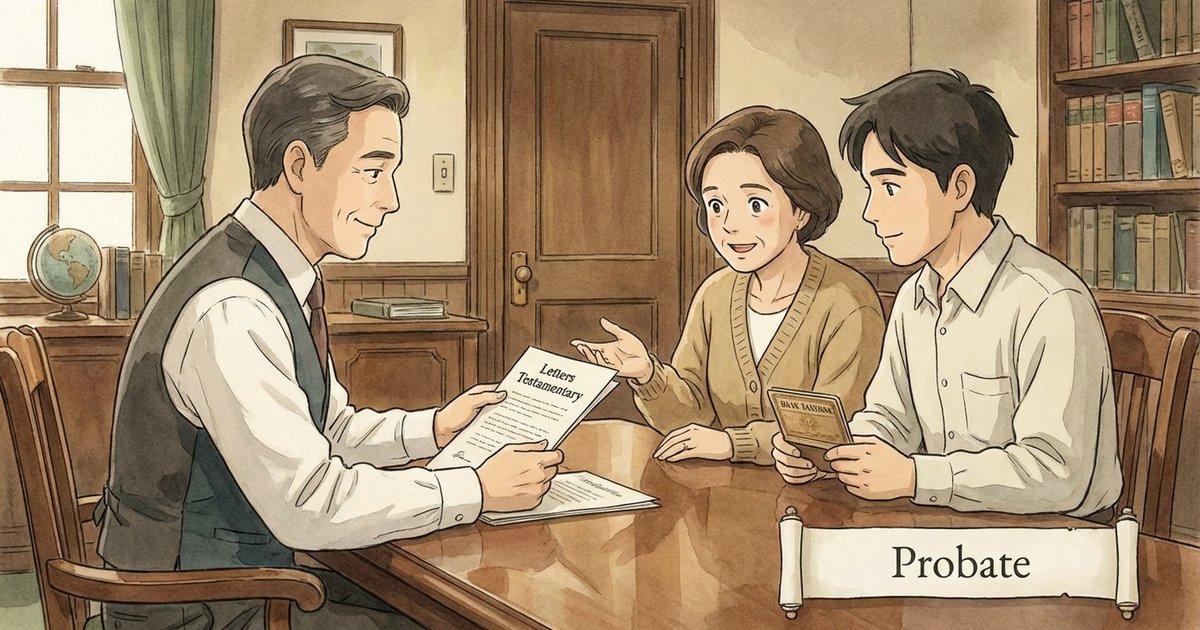
In South Carolina, a bank will usually require Letters Testamentary (if there is a will) or Letters of Administration (if there is no will) showing that the Probate Court appointed a personal representative. Those “letters” are the standard proof of authority to access and close the decedent’s accounts and move funds into an estate account. If the estate does not require a full probate appointment, a different summary process may apply, but banks often still ask for court-issued documentation.
Understanding the Problem
Under South Carolina probate practice, the key question is: can a personal representative (executor) show the bank acceptable proof that the Probate Court appointed that person to act for the estate so the bank will release funds and close accounts. The usual trigger is the account holder’s death, followed by the bank freezing or restricting the account until it receives court-issued proof of authority. The practical goal is to present the right court document, satisfy the bank’s identity and paperwork requirements, and then close the account in a way that fits the estate administration.
Apply the Law
South Carolina law generally requires a person to be appointed by the Probate Court, qualify, and be issued letters before that person has the powers and duties of a personal representative. Once appointed, the personal representative has authority to take control of probate assets and deal with third parties, subject to any restrictions that must be shown on the letters or court certification.
Key Requirements
- Court appointment and “letters” issued: The Probate Court must appoint the personal representative and issue Letters Testamentary or Letters of Administration before most banks will recognize authority.
- Proper proof presented to the bank: Banks typically want a certified court document (often the letters or a certified court certificate/order) plus identification and the decedent’s death certificate.
- Authority not restricted (or restrictions disclosed): If the Probate Court restricted the personal representative’s powers, the restriction generally needs to appear on the letters (or court certification) to affect third parties dealing in good faith.
What the Statutes Say
- S.C. Code Ann. § 62-3-103 (Necessity of appointment for administration) – A person generally must be appointed, qualify, and be issued letters to have personal representative powers; administration begins when letters issue.
- S.C. Code Ann. § 62-3-601 (Qualification) – Before receiving letters, the personal representative must qualify (including filing acceptance and any required bond).
- S.C. Code Ann. § 19-5-50 (Evidence of appointment of executors or administrators) – The Probate Court can provide a certified copy of its order concerning probate/administration that serves as sufficient evidence of appointment in South Carolina courts.
- S.C. Code Ann. § 62-3-504 (Powers of personal representative; restrictions) – Restrictions must be endorsed on the letters (and court certification) to be effective against people dealing in good faith with the personal representative.
- S.C. Code Ann. § 62-3-709 (Duty; possession of estate) – The personal representative has the right and duty to take possession or control of the decedent’s property for administration.
Analysis
Apply the Rule to the Facts: In a typical situation, the decedent had one or more bank accounts titled in the decedent’s name alone, and the bank will not close them until it sees proof that a Probate Court appointed a personal representative. Under South Carolina law, that proof is usually the Letters Testamentary or Letters of Administration issued after the personal representative qualifies. Once the bank receives the letters (and any required certified court documentation), it can treat the personal representative as the person authorized to act for the estate, subject to any restrictions shown on the letters.
Process & Timing
- Who files: The nominated executor (if there is a will) or an appropriate family member/other eligible person (if there is no will). Where: The South Carolina Probate Court in the county with proper venue for the estate. What: An application/petition to open the estate and appoint a personal representative, followed by qualification steps required by the court, leading to issuance of Letters Testamentary or Letters of Administration. When: As soon as practical after death, especially if bills must be paid or assets need to be secured.
- Get bank-ready documents: Request multiple certified copies of the letters (and, if needed, a certified court certificate/order showing appointment). Many banks will not accept photocopies. Banks also commonly require a death certificate and government-issued ID for the personal representative.
- Close accounts and move funds: After the bank verifies the letters and identity, the personal representative typically closes the decedent’s sole-name accounts and transfers the balance to an estate account for administration (paying allowed expenses and then distributing under court supervision as required).
Exceptions & Pitfalls
- Non-probate accounts: Some accounts pass outside probate (for example, properly titled joint accounts with survivorship or certain beneficiary-designated accounts). In those cases, the bank may pay the surviving owner/beneficiary instead of the estate, and letters may not control that asset.
- Bank demands “fresh” letters: Some institutions require letters issued within a recent time window (for example, within 30–90 days). Planning ahead by ordering multiple certified copies and requesting updated certificates when needed can prevent delays.
- Restrictions on authority: If the Probate Court restricted the personal representative’s powers, the restriction should appear on the letters/certification. A mismatch between what the bank is being asked to do and what the letters show can cause a refusal until the court clarifies authority.
- Trying to act before appointment: Presenting only a will, a death certificate, or a family relationship usually is not enough for a sole-name account. South Carolina generally requires appointment, qualification, and letters before personal representative powers attach.
- Foreign appointment issues: If the personal representative was appointed outside South Carolina and there is South Carolina property, additional South Carolina filings may be required to prove authority in-state.
Conclusion
To prove executor (personal representative) authority to a bank in South Carolina, the standard document is the Probate Court’s Letters Testamentary or Letters of Administration issued after appointment and qualification. Banks commonly require certified copies, plus identification and a death certificate, before they will close sole-name accounts and release funds to an estate account. The most important next step is to open the estate and obtain letters from the South Carolina Probate Court as soon as practical.
Talk to a Probate Attorney
If an estate needs access to bank funds and the bank is requesting court paperwork, a probate attorney can help identify the correct South Carolina Probate Court filing, obtain the right certified documents, and coordinate with the bank so accounts can be closed and funds handled in the proper order and timeframe.
Disclaimer: This article provides general information about South Carolina law based on the single question stated above. It is not legal advice for your specific situation and does not create an attorney-client relationship. Laws, procedures, and local practice can change and may vary by county. If you have a deadline, act promptly and speak with a licensed South Carolina attorney.
xq

