
How can I transfer inherited real property via a quitclaim deed and prepare for its sale? – South Carolina
Short Answer
In South Carolina, inherited real estate usually should be transferred out of the estate by the personal representative using a deed of distribution, not a quitclaim deed, so the buyer and closing attorney can see a clean chain of title. A quitclaim deed can be used in limited situations (for example, to consolidate multiple heirs into one seller), but it does not fix probate authority or creditor issues by itself. To prepare for a sale, the key steps are opening (or confirming) the probate case, confirming who has authority to sign, and recording the correct deed(s) with proper witnessing and notarization.
Understanding the Problem
In South Carolina probate, the main question is: who has the legal authority to sign the deed that puts inherited real property into the right name(s) so it can be sold. Is the signer an heir trying to use a quitclaim deed, or is the signer the court-appointed personal representative transferring title out of the estate? Timing matters because real property can pass to heirs at death, but it remains subject to estate administration and creditor issues, and many closings require recorded probate documents and a recorded deed that matches the probate plan.
Apply the Law
Under South Carolina law, real property generally devolves at death to the devisees under a will (or to heirs if there is no will), but that transfer is still subject to administration and creditor rights. The personal representative has broad authority over estate property for administration purposes, and when the estate distributes real property “in kind,” the personal representative should sign and record a deed of distribution as evidence of the distributee’s title. A quitclaim deed may still be used later (for example, between heirs), but it is not the usual tool to transfer title out of an estate in a way that satisfies a sale closing.
Key Requirements
- Probate authority is clear: A personal representative is appointed (or the will otherwise controls), and the probate case supports the transfer and/or sale of the property.
- The correct deed is used for the job: A deed of distribution is typically used to move title from the estate to the heir/devisee; a quitclaim deed is more commonly used to clean up or consolidate ownership among heirs after distribution.
- The deed is recordable: The deed is properly signed and executed with South Carolina’s witnessing/acknowledgment requirements so the Register of Deeds can record it and the closing attorney can rely on it.
What the Statutes Say
- S.C. Code Ann. § 62-3-907 (Deed of distribution) – requires the personal representative to execute a deed of distribution when distributing real property in kind, as evidence of the distributee’s title.
- S.C. Code Ann. § 62-3-711 (Powers of personal representative; limits on sale of real property) – explains the personal representative’s powers and that selling estate real property can require will authority or court procedures.
- S.C. Code Ann. § 30-5-30 (Prerequisites to recording) – sets execution/acknowledgment requirements that must be satisfied before a deed can be recorded in South Carolina.
- S.C. Code Ann. § 12-24-10 (Deed recording fee; deed of distribution exception) – imposes the deed recording fee for many deeds, but excludes a deed of distribution under § 62-3-907 from that fee.
Analysis
Apply the Rule to the Facts: When inherited real property needs to be sold, the main risk with “just doing a quitclaim deed” is that it may not match the probate authority and may not create the clean title history a buyer’s closing attorney expects. If a personal representative is appointed, South Carolina law contemplates a deed of distribution to document the transfer of title to the heir/devisee. After that, if multiple heirs received title and want one person (or an LLC/trust) to sell, a quitclaim deed can sometimes be used to consolidate interests—assuming everyone with an interest signs and the deed is properly executed and recorded.
Process & Timing
- Who files: The person seeking authority to act for the estate (often a family member) starts or confirms the probate case. Where: South Carolina Probate Court in the county where the decedent was domiciled (or where the property is located for certain proceedings). What: Open the estate and obtain documentation showing who the personal representative is (letters/appointment paperwork used by the court). When: As early as possible before listing the property, because title work and deed recording can take time.
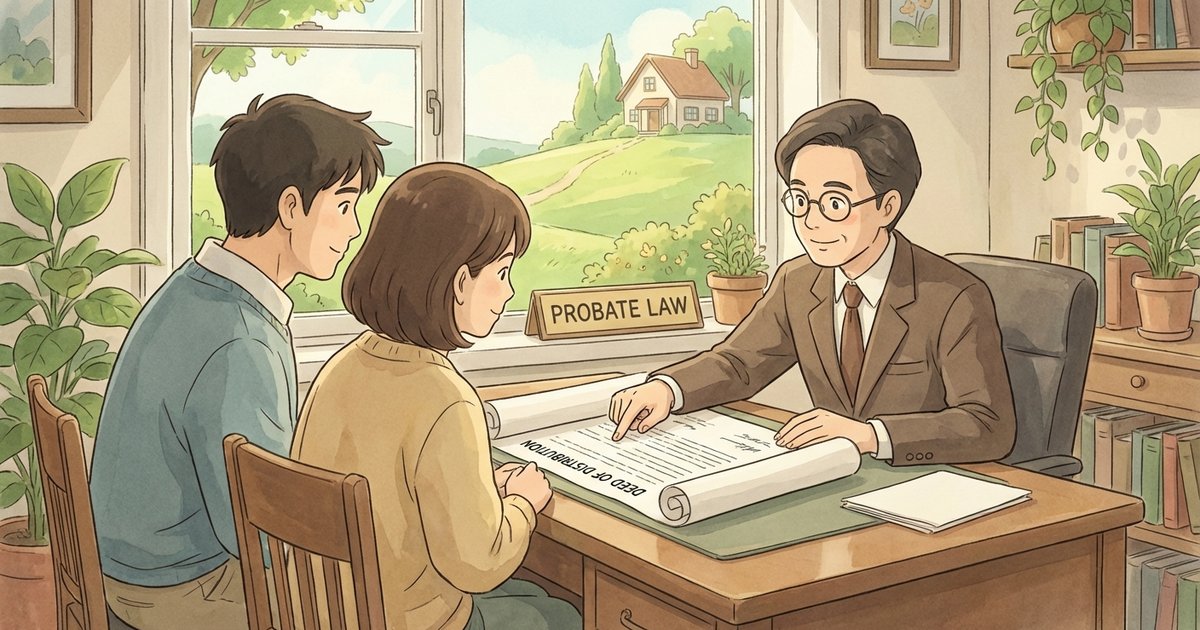
- Transfer title the “probate way”: If the plan is to put the property into the heir/devisee’s name before sale, the personal representative prepares and signs a deed of distribution and records it with the county Register of Deeds. This step often reduces closing delays because it aligns the land records with the probate distribution.
- Prepare for the sale closing: The seller (whether the personal representative selling under authority, or the heirs after distribution) works with a real estate closing attorney to address title requirements (for example, confirming all heirs/devisees, resolving missing signatures, and recording any corrective deeds). The closing attorney then prepares the deed to the buyer and handles recording at closing.
Exceptions & Pitfalls
- Using a quitclaim deed as a substitute for probate authority: A quitclaim deed signed by an heir does not prove that the heir is the only person entitled to the property, and it does not replace the personal representative’s role when the estate must administer or sell the property.
- Multiple heirs and missing signatures: If title ends up in multiple heirs, a sale typically requires all owners to sign (or a properly authorized agent). A quitclaim deed can help consolidate ownership, but only if every owner with an interest signs correctly.
- Recording defects: South Carolina recording rules can be strict. Deeds commonly get rejected or later questioned if they are not executed with the required witnesses/acknowledgment under state law.
- Creditor and administration issues: Even though real property can pass at death, it can still be affected by estate administration needs. A closing attorney may require probate documentation (and sometimes court authority) before allowing a sale to proceed.
Conclusion
In South Carolina, the cleanest way to transfer inherited real property for a future sale is usually through probate using a deed of distribution signed by the personal representative, with the deed properly executed and recorded. A quitclaim deed can be useful later to consolidate heirs’ interests, but it usually does not replace probate authority or fix title concerns by itself. The most important next step is to confirm the personal representative’s authority and record the correct deed with the county Register of Deeds before listing the property.
Talk to a Probate Attorney
If inherited real property needs to be transferred and sold, a probate attorney can help confirm who has authority to sign, choose the right deed (often a deed of distribution rather than a quitclaim deed), and coordinate with the closing attorney so the sale does not stall over title or probate issues.
Disclaimer: This article provides general information about South Carolina law based on the single question stated above. It is not legal advice for your specific situation and does not create an attorney-client relationship. Laws, procedures, and local practice can change and may vary by county. If you have a deadline, act promptly and speak with a licensed South Carolina attorney.

