
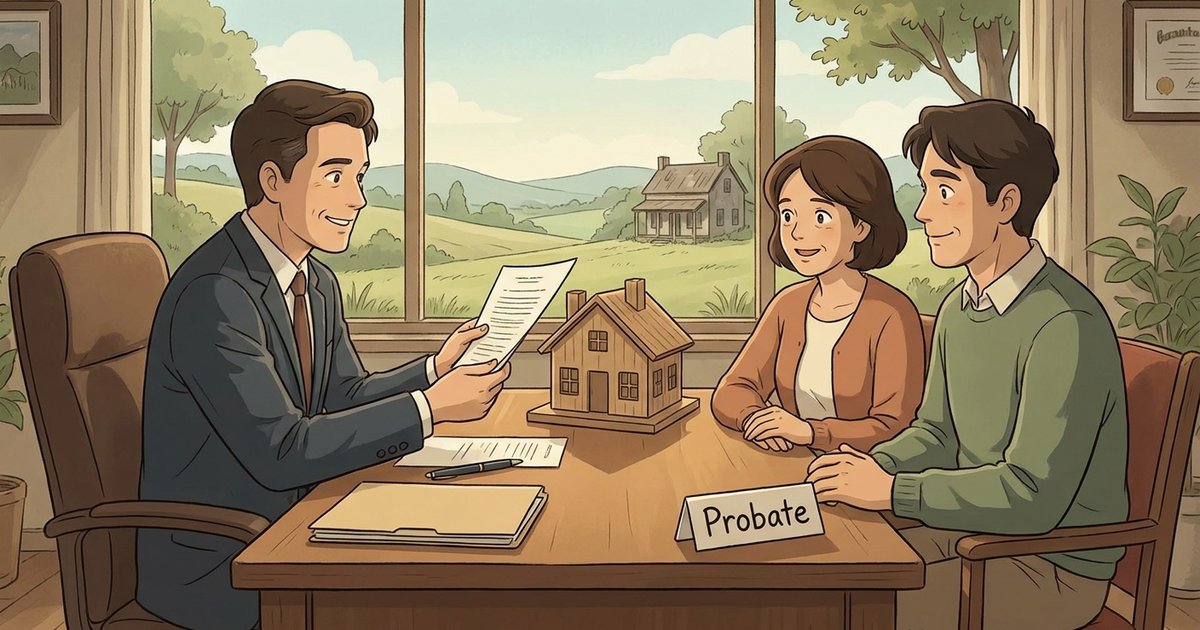
Do I need a quitclaim deed, an executor/administrator deed, or something else to transfer the house after a death? – South Carolina
Short Answer
Usually, a quitclaim deed is not the main probate transfer document in South Carolina. If a personal representative handled the estate and the house was distributed through that estate, the usual document is a deed of distribution signed by the personal representative, sometimes informally called an executor’s or administrator’s deed. If the land records still show multiple heirs or title errors after the estate closed, the fix often requires reviewing the probate file, the will or intestacy path, and the recorded deed chain before recording the correct corrective instrument.
Understanding the Problem
In South Carolina probate, the main question is what deed or other title document must be used to move a deceased parent’s house from the estate or heirs into the correct owner’s name after death. The issue usually turns on who had authority to transfer title, whether the estate was formally administered, and whether the probate result was ever properly reflected in the county land records. This article focuses only on that transfer step for inherited residential real estate after a death.
Apply the Law
Under South Carolina law, real property passes at death to the devisees named in a will or, if there is no will, to the heirs, but that transfer remains subject to estate administration, creditor issues, and the personal representative’s powers. When a South Carolina personal representative distributes real estate through an estate, the statute says the personal representative must execute a deed of distribution as evidence of the distributee’s title. In practice, that means the probate result and the county real estate records are not always the same thing; the probate file may show who should receive the house, but the title record often still needs the correct deed recorded in the county Register of Deeds or Clerk of Court land records office.
Key Requirements
- Proper transfer document: If the estate was administered and the house was distributed from the estate, the usual instrument is a deed of distribution signed by the personal representative, not a simple quitclaim deed from random heirs.
- Correct signing authority: Only the person with legal authority under the probate estate should sign the estate transfer document. If the wrong person signs, the deed may not clear title.
- Recording in county land records: Even when probate is complete, title problems can remain until the correct deed or corrective deed is recorded in the county where the property sits.
What the Statutes Say
- S.C. Code Ann. § 62-3-907 (Distribution in kind; evidence) – requires the personal representative to execute a deed of distribution for real property distributed from the estate.
- S.C. Code Ann. § 62-3-101 (Devolution of estate at death; restrictions) – explains that real property passes at death to devisees or heirs, subject to administration and creditor-related limits.
- S.C. Code Ann. § 62-3-709 (Duty of personal representative; possession of estate) – gives the personal representative authority to possess or control estate property when needed for administration.
- S.C. Code Ann. § 62-3-901 (Successors’ rights if no administration) – explains how devisees or heirs may establish title when no administration occurs, though those rights remain subject to estate-related claims and limits.
Analysis
Apply the Rule to the Facts: Here, a parent died, an estate administration was completed, and the expectation was that the home would pass to one child. If the county records still show multiple heirs and title errors, that often suggests the probate outcome was never carried into the land records with the correct deed of distribution, or that an earlier deed was drafted, signed, or indexed incorrectly. In that setting, a quitclaim deed may help only in a limited cleanup role if a living heir needs to release a claimed interest, but it usually does not replace the estate transfer document that should have been recorded from the probate administration.
That distinction matters because South Carolina treats the personal representative’s deed of distribution as evidence of title when real property is distributed from an estate. If the estate file shows one distributee but the deed records still show several heirs, the title problem usually calls for matching the probate order, will, heirs, and deed chain to determine whether a deed of distribution, corrective deed, affidavit, or in some cases a separate court action is needed. For a broader discussion of related title cleanup issues, see How to Transfer Title to Inherited Real Property After Probate in South Carolina and How to confirm and clear title to real estate inherited through a parents’ will in South Carolina.
Process & Timing
- Who files: usually the personal representative, a successor in title, or counsel handling the correction. Where: the South Carolina probate court file should be reviewed first, and the deed or corrective instrument is then recorded in the county Register of Deeds or Clerk of Court land records office where the property is located. What: typically the recorded deed of distribution, or if needed, a corrective deed and supporting probate documents. When: as soon as the title problem is discovered, especially before any sale, refinance, or partition dispute.
- Next, compare the probate paperwork with the current deed chain, legal description, names of heirs or devisees, and recording data to identify whether the problem is a missing estate deed, a drafting error, an omitted heir, or an indexing issue. County recording practices can vary.
- Final step: record the correct instrument so the land records match the probate result, then confirm the updated chain of title through the county index and, if needed, a title review.
Exceptions & Pitfalls
- A quitclaim deed can transfer whatever interest a living signer has, but it does not prove that the signer had full authority to transfer the estate’s interest in the first place.
- If the estate was never fully administered, or if the will, heirs, or legal description do not match the deed records, a simple deed may not solve the problem.
- Common mistakes include using the wrong grantor, leaving out an heir, using an incomplete legal description, or assuming probate closure automatically updated county land records.
Conclusion
In South Carolina, when a house passes through probate, the usual transfer document is a deed of distribution signed by the personal representative, not a routine quitclaim deed. A quitclaim deed may help only in limited cleanup situations involving a living person’s claimed interest. If the estate is complete but the title still shows multiple heirs, the key next step is to review the probate file and record the correct deed or corrective instrument with the county land records office promptly.
Talk to a Probate Attorney
If a parent’s estate was completed but the house title still shows multiple heirs or recording errors, our firm can help review the probate file, identify the right transfer document, and explain the next steps to clear title under South Carolina law.
Disclaimer: This article provides general information about South Carolina law based on the single question stated above. It is not legal advice for your specific situation and does not create an attorney-client relationship. Laws, procedures, and local practice can change and may vary by county. If you have a deadline, act promptly and speak with a licensed South Carolina attorney.

