
If a life estate is already in place, can the house be sold without the remainder beneficiary agreeing, and what happens if they refuse? – South Carolina
Short Answer
Usually not. In South Carolina, a life tenant and a remainder beneficiary hold different pieces of the title, so an ordinary “full title” sale typically requires both signatures to deliver marketable title to a buyer.
If the remainder beneficiary refuses, the common legal path is a court case (often a partition action) asking the Court of Common Pleas to order a sale or otherwise resolve the split ownership. If the life tenant has dementia and cannot legally sign, a court-appointed fiduciary may also be needed to act for the life tenant’s interest.
Understanding the Problem
In South Carolina, can a parent who kept a life estate in a home sell the house to pay for long-term care when a sibling holds the remainder interest and will not agree to the sale? If the sibling refuses to sign, what legal process can force a sale (if any), and what happens to the proceeds when ownership is split between a life estate and a remainder?
Apply the Law
A life estate deed splits ownership into (1) a present right to use and possess the property for life (the life tenant) and (2) a future ownership interest that becomes full title when the life tenant dies (the remainder beneficiary, also called the remainderman). Because a buyer usually wants full title now, a normal closing generally requires both the life tenant and the remainder beneficiary to sign the deed (or a court order that substitutes for consent).
When the owners cannot agree, South Carolina law allows certain co-owners—including situations where one person holds a life estate and another holds an inheritance/freehold interest—to compel partition. Partition can mean a physical division (rare for a single house) or a court-ordered sale with the proceeds divided according to each person’s legal interest.
Key Requirements
- Split title exists: The deed must actually reserve a life estate and transfer the remainder (the exact wording matters).
- All required interests must be conveyed: To sell “the house” with full title, the life estate interest and the remainder interest must both be transferred (by agreement or by court order).
- Proper forum and procedure: If there is no agreement, the dispute is typically handled in the South Carolina Court of Common Pleas through a partition action (and, if incapacity is an issue, possibly a separate court proceeding to authorize someone to sign for the incapacitated owner’s interest).
What the Statutes Say
- S.C. Code Ann. § 15-61-10 (Partition compellable; life estate with inheritance/freehold) – Allows partition even when one party has a life estate and another holds an inheritance/freehold interest.
- S.C. Code Ann. § 15-61-50 (Court of Common Pleas jurisdiction) – Gives the Court of Common Pleas authority to partition in kind or order a sale and divide proceeds when fair partition is not practical.
- S.C. Code Ann. § 15-61-25 (Right of first refusal in partition among joint tenants/tenants in common) – Provides a process that can let non-petitioning co-owners buy out the petitioning co-owner’s interest in certain partition cases.
- S.C. Code Ann. § 15-61-370 (Partition by sale; buyout procedure in heirs’ property cases) – Sets a buyout-focused process in qualifying “heirs’ property” partition cases, with specific notice and payment timelines.
Analysis
Apply the Rule to the Facts: The parent holds a life estate, and the sibling holds the remainder interest under a prior warranty deed. That split means the parent alone usually cannot deliver full title to a buyer, because the sibling’s remainder interest would still exist unless the sibling signs (or a court order resolves the ownership problem). If the sibling refuses to agree, the practical next step is often a partition case in the Court of Common Pleas seeking a court-ordered sale or other relief that clears title and allocates proceeds between the life estate and the remainder.
Process & Timing
- Who files: Typically the person trying to force a resolution (often the life tenant, the remainder beneficiary, or a fiduciary acting for an incapacitated owner). Where: South Carolina Court of Common Pleas in the county where the property is located. What: A partition action asking for partition in kind or partition by sale, and related relief to determine each party’s share.
- Valuation and buyout steps (when applicable): Depending on how the property is titled and whether the case qualifies for special “heirs’ property” procedures, the court may require a valuation process and may allow a buyout option before ordering a sale. Some statutes use short windows (for example, notice of intent to purchase can be due no later than ten days before trial in certain partition settings). See § 15-61-25 and § 15-61-370.
- Sale and distribution: If the court orders a sale, the property is sold under court supervision, and the proceeds are distributed according to the parties’ legal interests (which can require additional court findings when one interest is a life estate and the other is a remainder).
Exceptions & Pitfalls
- Capacity issues can block a voluntary sale: If the life tenant has dementia and cannot legally sign, a standard closing may not be possible without a court-authorized decision-maker. Even if the remainder beneficiary later agrees, incapacity can still require court involvement.
- Partition is not always a quick “forced sale”: The court can consider whether a physical partition is possible and whether a sale is necessary to avoid unfair injury to the owners as a group. A single-family home often points toward sale, but the court process still takes time.
- Proceeds do not automatically go only to the life tenant: A life estate and remainder interest have different economic values. When a court orders a sale, it may require a structured allocation so each interest is treated fairly.
- “Heirs’ property” rules may or may not apply: Some enhanced protections and procedures apply only if the court finds the property qualifies as “heirs’ property.” See § 15-61-10. A life estate deed made years earlier does not automatically mean the property is heirs’ property.
Conclusion
In South Carolina, a home subject to a life estate deed usually cannot be sold with full title unless the life tenant and the remainder beneficiary both agree and sign (or a court order substitutes for consent). If the remainder beneficiary refuses, the typical remedy is to file a partition action in the Court of Common Pleas and ask the court to resolve the split ownership, which can include ordering a sale and dividing proceeds by legal interest. The next step is to file the partition case in the county where the property sits.
Talk to a Real Estate Attorney
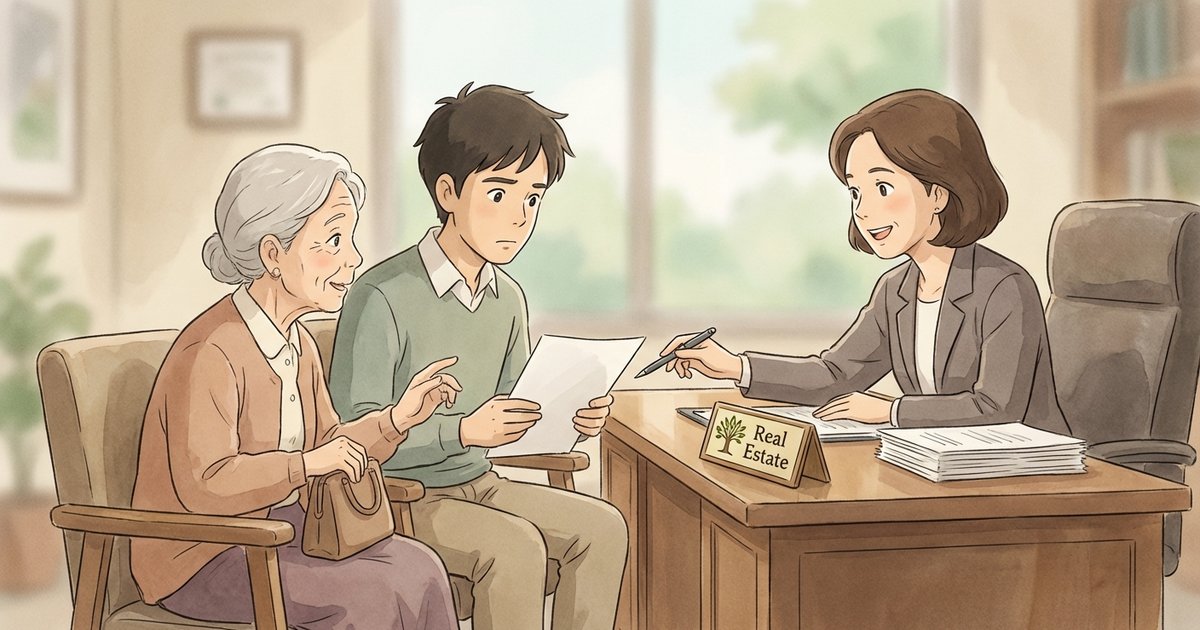
If a life estate deed is blocking a sale needed for long-term care, a Real Estate attorney can help evaluate the deed, confirm who must sign, and map out whether a negotiated agreement, a partition action, or a court-authorized signer is the most realistic path under South Carolina procedure and timelines.
Disclaimer: This article provides general information about South Carolina law based on the single question stated above. It is not legal advice for your specific situation and does not create an attorney-client relationship. Laws, procedures, and local practice can change and may vary by county. If you have a deadline, act promptly and speak with a licensed South Carolina attorney.

